
RADIANT.
You were never meant to borrow light.
You Were Made for Both: the Credential and the Gift.
Get ICF-accredited as a coach without leaving your intuition, your healing gifts, or your spiritual worldview at the door. Radiant was built for people like you.




✦ Who This Is For
You are already a coach.
You are already holding space for people. Already the one they call. Already sensing things before they're said. Already a healer, a leader, an intuitive.. you just don't have the letters behind your name yet. Radiant is for you.
Expand beyond treatment and into transformation.
Your gifts are real. Build the credentials to match.
You sense what others miss. Use that ethically and professionally.
You hold authority in rooms but know something is missing.
ICF credentials open doors informal practice alone cannot.
A framework that finally matches the depth of your work.
✦ The Radiant Difference
Most programs train your skills.We train the person behind them.
"You can learn every ICF competency perfectly and still be coaching from your wounds."
There are hundreds of ICF-accredited programs. Most of them will teach you the same competencies, the same frameworks, and the same listening techniques.
What they won't teach you is what happens when your own patterns walk into the room with you.
If you have an unconscious need to fix people, you will listen for problems to solve rather than for the person in front of you. If your nervous system hasn't learned to stay regulated in someone else's pain, you will subtly steer sessions away from the edges where real breakthroughs happen.
Technique doesn't fix that. Awareness does. And so does working at the level where patterns actually live.
That's why Radiant integrates subconscious reprogramming and frequency healing alongside ICF coaching methodology. Because we know that everything is connected: your beliefs, your body, your energy, and the quality of presence you bring to every session. You cannot fully serve your clients' transformation without tending to your own.
At Radiant, you will earn your ICF credential and know the competencies inside and out. And you will do the deeper work that makes those competencies real.
The world has plenty of certified coaches. Radiant trains whole ones.
ICF-Accredited Curriculum
All three credential pathways, fully accredited and rigorously structured.
Subconscious Reprogramming + Frequency Healing
Modalities that address patterns at the root, not just the surface.
Whole Person Methodology
Somatic, energetic, and shamanic tools woven into every stage of training.
Not ready yet? Download the free guide.
✦ ICF-Accredited Programs
Choose Your Path
Three levels of certification. One coherent journey. Each program is ICF-pathway aligned, holistically rooted, and built for the whole coach you already are.
- ICF ACC pathway
- Core coaching competencies
- Holistic & somatic tools
- Live cohort calls
- ICF PCC pathway
- Shamanic & energetic integration
- Business of coaching
- Mentorship included
- ICF MCC pathway
- Full spectrum methodology
- 1:1 supervision
- Legacy leadership track
Employer-Funded Education
Your Job May Already Pay for This.
Many employers offer professional development budgets, tuition reimbursement, or leadership training funds that cover ICF-accredited coaching programs. If your organization invests in its people, Radiant may already qualify.
We've created employer-ready one-sheets for each program level. Download the one that fits your path, hand it to your manager or HR department, and let them see exactly what they're investing in.
All one-sheets are formatted for HR and leadership teams. Email-ready.
They came for the credential.
Look what started happening.
The transformation doesn't wait for graduation. Our students start building, healing, and earning while they're still in training. These are real outcomes from real practitioners — during their programs and beyond.
✦ Beyond the Classroom ✦
Immersive Experiences
That Go Further
Radiant is not a Zoom school with a certificate at the end. We build for real leaders and real human beings. Optional in-person experiences that go where most coaching schools have never gone.
+$3,000
✦ In-Person Retreat
Equestrian Executive Leaders Retreat
📍 Colorado, United States
Leadership in relationship with horses. Somatic, embodied, unforgettable. The mountain backdrop is real. This is the retreat for leaders who have read every book and want to feel something instead.
✦ Caribbean Retreat
Leaders Rest & Heal Retreat
📍 Jamaica
A Caribbean retreat for current Level 2+ students and outside coaches heading toward PCC or MCC. Rest, healing, community, and continued professional development in a setting that matches the depth of the work.
+$5,000
✦ Optional Add-On
Week-Long Immersive Education Experience
📍 Available Across All Levels
A full week of deep immersion for students who want to go further. This optional add-on is available across all program levels for those ready to accelerate their transformation.
Not Sure Yet?
Let's Find Out.
Five questions. Two minutes. No fluff.
Find out if this is your school.
01 / 05
What best describes where you are right now?
02 / 05
When it comes to your intuition, spiritual gifts, or healing practice...
03 / 05
What matters most to you in a coaching program?
04 / 05
How do you feel about doing deep personal work alongside professional training?
05 / 05
Where are you in terms of readiness?

You Were Made for This.
Everything you answered tells us the same thing: you've been looking for a school that doesn't ask you to split yourself in half. You're ready. Radiant was built for exactly where you are right now.
You were never meant to borrow light.
You're Closer Than You Think.
Something brought you here, and that matters. You may not be ready to enroll today, but you're clearly searching for something most programs don't offer. Here are a few ways to go deeper before you decide:
The door is always open. When you're ready, we'll be here.
The Gate Is Never Locked.
Radiant may not be the right fit right now, and that's completely fine. Not every school is for everyone, and we'd rather you find the right match than rush a decision. But if you're curious about what we do differently, start here:
Wherever your path leads, remember: you were never meant to borrow light.
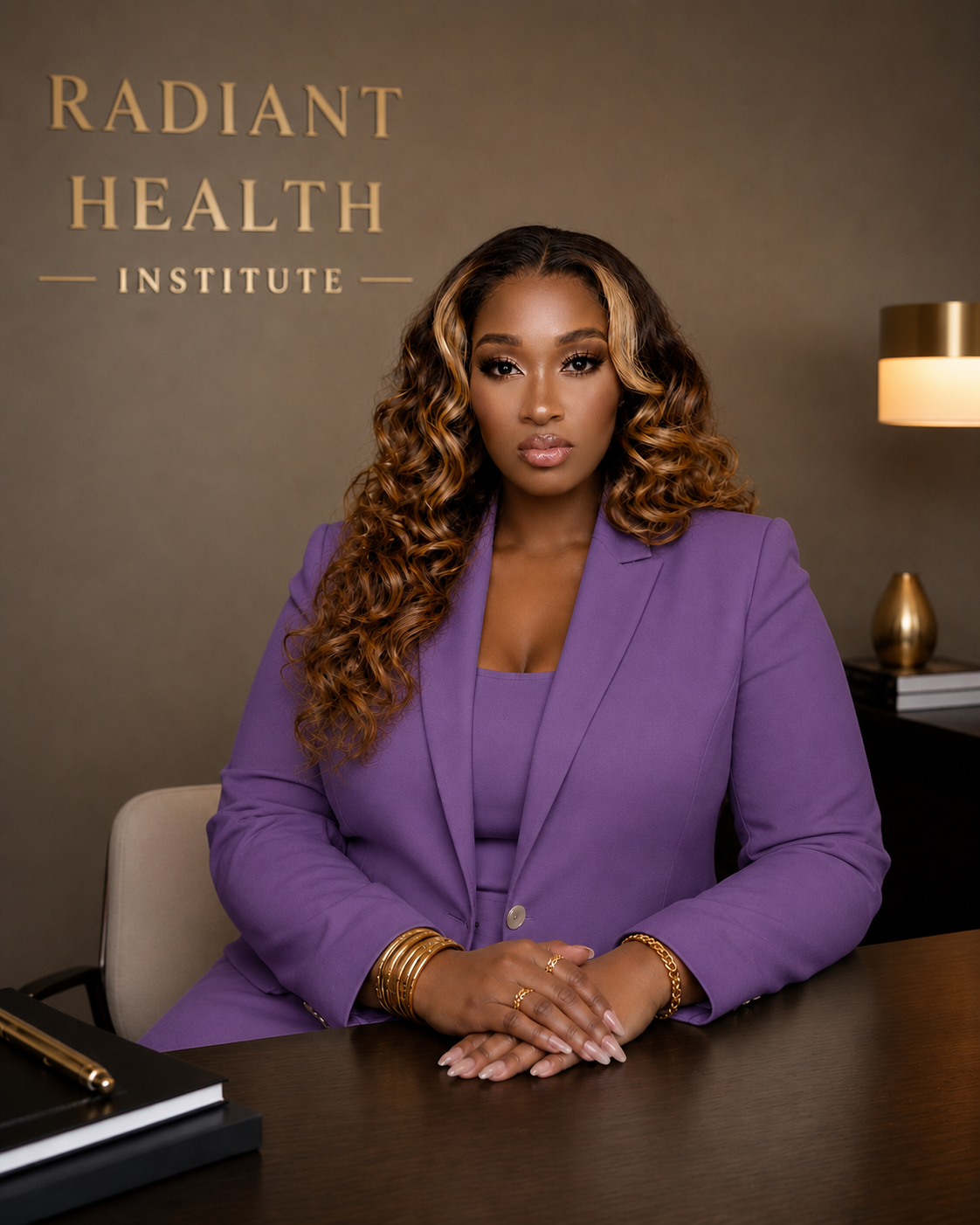
✦ Meet the CEO & Director of Education
Goddess Surya Sol, MCC
ICF Master Certified Coach · Shamanic Healer · Reiki Grandmaster
Owner of the first ICF Level 3 accredited holistic coaching program in the world.
I am the person who refused to choose between rigor and soul.
I built Radiant for the ones who felt too much to fit the old model. Too serious to stay underground. For the healers who are ready to lead. For the intuitives who deserve credentials that honor all of who they are.
This school is my life's work. And it was built for you.
"Our students have been splitting themselves in half their entire careers. Until now."
You were never meant to borrow light.
The People Behind Radiant
This is not a faculty. This is a bench.
Two MCCs. Three PCCs. Two ACCs. Military, federal, biomedical science, education, corporate, IFS, NLP, shamanic healing.
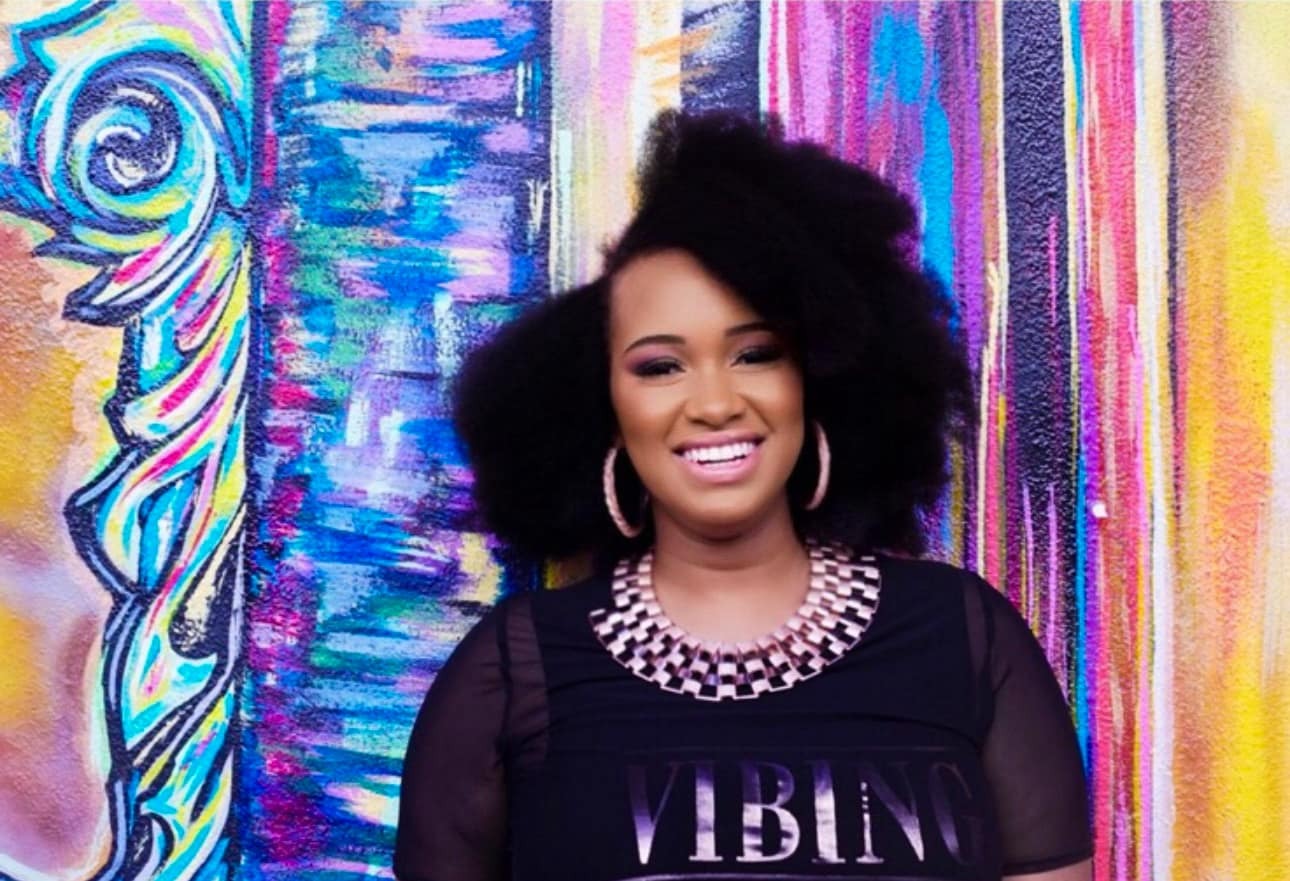
Surya, MCC
CEO, Director of Education & Mentor · ICF Master Certified Coach (MCC)
ICF Master Certified Coach, Shamanic Healer, and Reiki Grandmaster. Owner of the first ICF Level 3 accredited holistic coaching program. $500K+ in high-ticket sales. Clients report career leaps of $45K+ annually, dream job placements, documented health transformations, and creative breakthroughs, including one client touring globally with Shenseea within six months. Featured on The Dr. Oz Show, Cosmo Beauty Battle, Women's Health, and HuffPost. Pioneering the use of AI to ethically scale coaching, spirituality, and leadership impact as a disabled CEO. Speaks on holistic health, authentic leadership, and building authority without erasing your identity to do it.
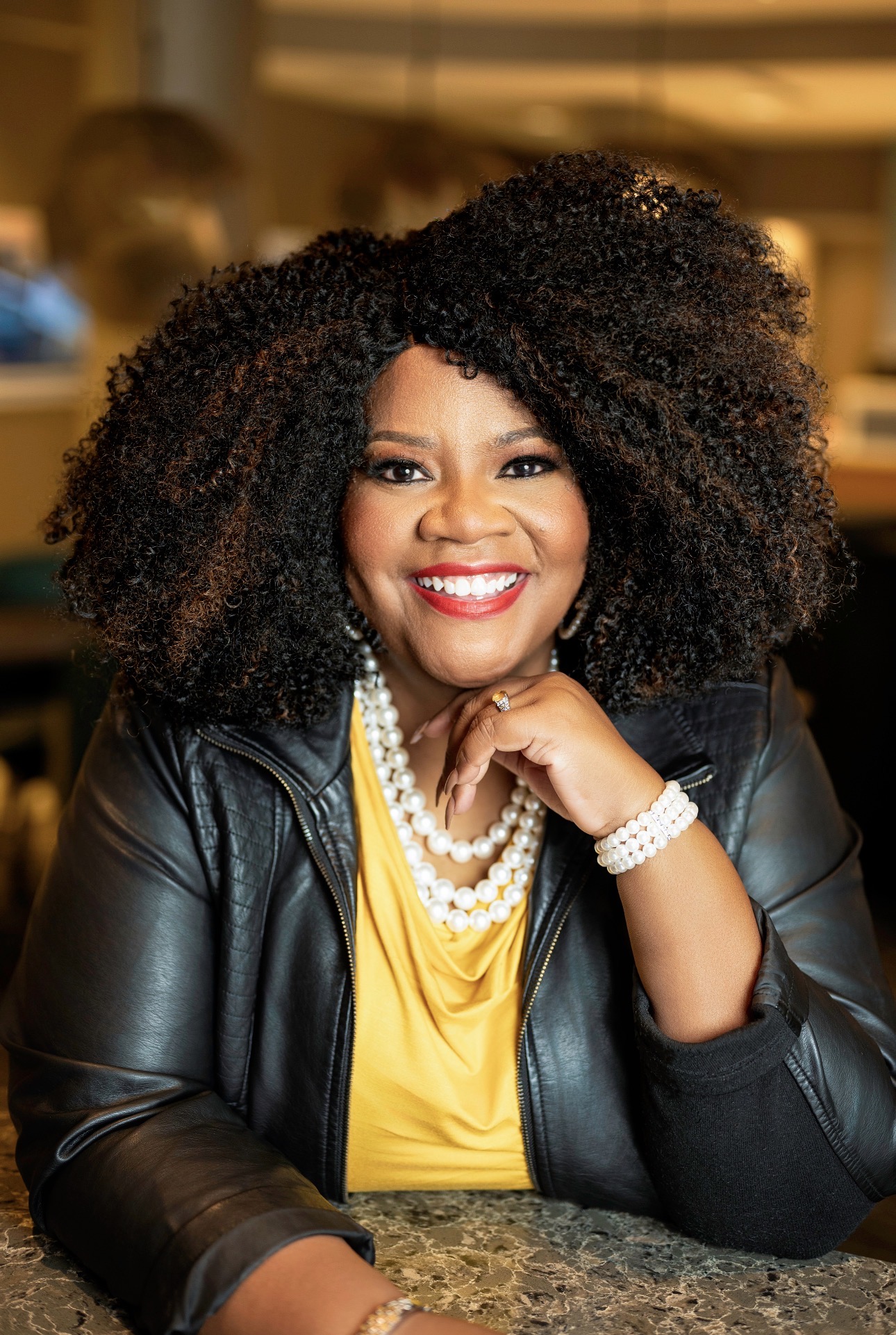
Sophia Casey
Faculty, Supervisor & Mentor · ICF Master Certified Coach (MCC)
USA Today Top Transformational Coach. 8x bestselling author. Former federal executive. Gold Award winner, Best Coach for The Americas. TJ Maxx "Maxx You Project" coach alongside Yvonne Orji. Featured on ABC News and Fox News.
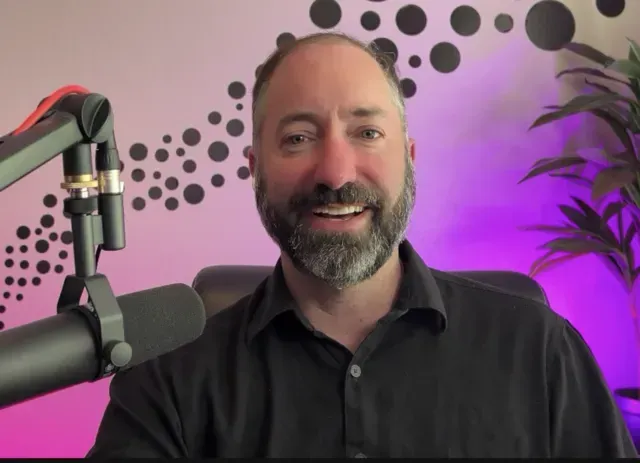
Trey Henderson
Lead Trainer, Supervisor & Mentor · ICF Professional Certified Coach (PCC)
21+ years across corporate, defense, and public sectors. Dedicated single father of two. Agile coach, musician, immersive mediation practitioner who revolutionizes how coaches learn core competencies through experiential training.
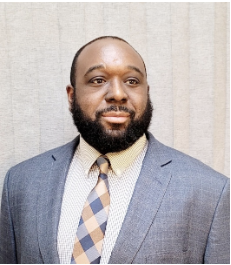
Eric Edwards
Faculty & Mentor · ICF Professional Certified Coach (PCC)
U.S. Air Force veteran. 21 years of distinguished service. Master Resilience Trainer. Veteran Transition Champion. Currently pursuing his PhD in counseling, bridging clinical depth with coaching mastery.

Joana Calado
Trainer & Mentor in Training · ICF Professional Certified Coach (PCC)
Biomedical scientist turned coach, known as "The Woo Woo Scientist." NLP Master Practitioner. Reiki healer. Leadership and confidence specialist. 250+ clients across the UK and beyond.
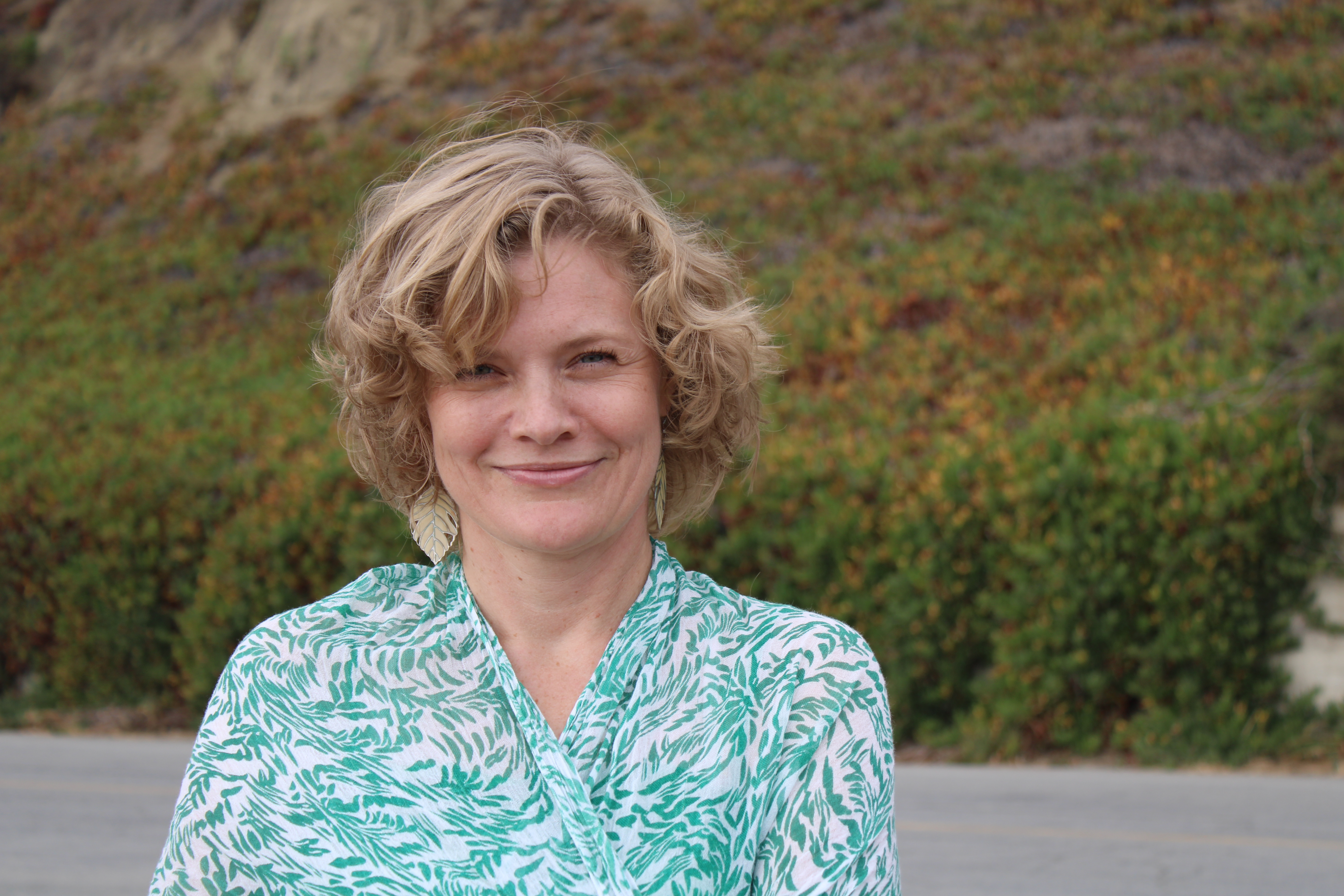
Ewelina Bindarowska
Faculty · ICF Associate Certified Coach (ACC)
15+ years in international consulting. Wayfinder Coach, Certified IFS Practitioner, Intentional Creativity Coach. Believes uncertainty is a gateway to possibility. Where corporate precision meets soul-centered depth.
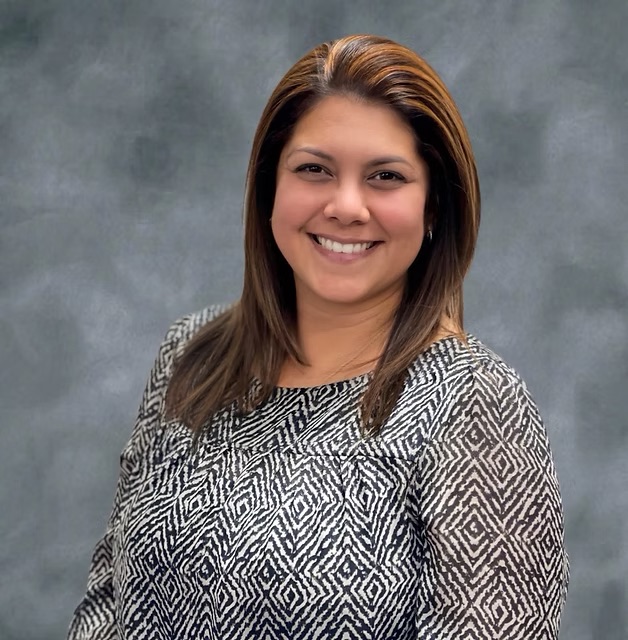
Melissa Moreno Barnett
Faculty · ICF Associate Certified Coach (ACC)
Proud Mexican-Hispanic woman. Mother of five. 25 years in education. First-generation college graduate. Founder of the Lulu Elevate With Passion Scholarship.
RADIANT.
HEALTH INSTITUTE
Where the healer becomes the leader. ICF-accredited coach training for the whole human being.
Explore
Resources
LEGAL


